Discovery doTERRA
minutes 4:23-14:00 for overview of various oil uses
Tuesday, May 06, 2014


the best baby wipes ever

Homemade wipes don't take long to make, and they have only good ingredients. There is no alcohol of any kind, so they don't dry out your baby's bum. I'm sure they are cheaper than store-bought wipes, but I haven't done the math yet as to how much. And quite frankly, they work better: especially with newborn poop, paper towels really picks it up more easily!
I got a new recipe from doTERRA's blog. I like it better than my first homemade one because these ingredients are completely natural, and lavender's healing properties prevent diaper rash.
What you need: paper towel roll, a plastic container, 2 tablespoons fractionated coconut oil, lavender essential oil, 2 cups pre-boiled water, & a serrated knife.
Any paper towels will do, but I like using the paper towel rolls that have the half-sized sheets. That's about all you need sometimes anyway. The pictured plastic container was a great find. I happened upon it in a mom-n-pop kitchen store in Cambridge. I think this link is the same thing. It's expensive, but think of it as an investment. It does the job so well and I can re-use it if I stopped making wipes. It's great because the flip top can be opened with one hand (so I have the other to hold Mikayla's toes up and out of her poop). It seals tightly, and fits a half-paper towel roll nearly perfectly. It's a bit snug, but it all works out for the best. [If you want to spend little or no money on a container, check out my new discovery for a container at the end of the post!]
The steps:
First remove the core from the paper towel roll. If you pinch it and twist it, it comes out easily.

Then cut the paper towel roll in half. My dad suggested I borrow his band saw, and it certainly would be easier. But as few of us have access to one, a serrated knife does the trick.

See how much fun I'm having with this?


Alternatively, add 3 drops each of lavender and melaleuca. Melaleuca also has cleansing and regenerative properties. I don't think Melaleuca's smell is as pleasant, and it's so strong so I didn't want to use it on Mikayla when she was just a few days old. I figured I'd add it if she started getting rashes, but that hasn't happened yet.


Save money...get a better product...what more convincing do you need? As soon as we started using these wipes, Mikayla's diaper rash healed and hasn't come back. Besides, you can safely use them for more things, without worrying about the cost per wipe, or yucky chemicals in them. Sometimes I wipe Kayla's face with them (carefully avoiding her eyes) when she has a little rash on her chin from drool. Anyone can use them as a personal wet wipe. Lavender has so many healing properties, you're bound to be doing something good for yourself however you use them!
Thursday, May 01, 2014
kindle case
For our fifth anniversary, I finally got around to making our wedding scrapbook. I had a lot of fun going to Michael's and buying craft supplies during post-Christmas sales. I love crafting, and I took advantage of the days before Kayla was born and while I had others in the home to watch Julie. I "gave" it to my husband for our anniversary and told him to pretend that it was the paper anniversary. He in turn bought me a Kindle Paperwhite, joking that he was also honoring the paper-anniversary.
Anyway, I really like my kindle. I love how I can look up words instantly. I love how small and light it is to carry around. I love how easy it is to hold with one hand and how my page doesn't get lost when I have to set it down. These factors make it so much easier to read when I'm nursing, and that is a huge draw for me right now. First I enjoyed Pride & Prejudice on it. Right now I'm reading a Lord Peter mystery.
Since holding it in one hand with ease is key, I don't want a traditional case for it. I don't want the extra flap that you get from the cover. Instead, I sewed a slip-case for it. I used this pattern.
A few small changes:
1) I adjusted the size for a paperwhite. I cut the back to 6 by 10 1/4 and the front to 6 by 8 1/4 inches
2) I made the pocket a bit taller: 6 by 5 1/2 inches
3) I didn't use interfacing in the pocket. Also, I used a complementary piece of fabric rather than the fleece lining. This made the pocket thinner, since I want the whole thing to be as thin as possible.
4) In the 11th step, I re-sewed the fleece lining with a 3/8 inch seam, since once I stuck the lining inside, I found that it bunched up. It needs to be smaller than the outer fabric.
5) She didn't say, as far as I saw, but you really need to trim all your seams tightly so the product is crisp.
A few things I would still do differently if I make it again:
1) I wish I had used thinner interfacing. She didn't specify which she had used, but I wish I had picked up the lighter of the two I was choosing between.
2) I wish I had made the closure flap bigger. I had a feeling I would want it to be longer, and I should have gone with my gut. The directions call for a fold-down at 2 inches. I would make it at least 3, perhaps 3.5 would be ideal. (So you'd add 3.5 inches to the length of the back when cutting). I think a longer flat would lay flat better. As it is, the corners want to fold up, and you really have to pull and push to get the velcro to attach.
3) Oh, and I wish I had done something on the front. Perhaps sewn on a applique bird, or added a monogram.
Anyway, I really like my kindle. I love how I can look up words instantly. I love how small and light it is to carry around. I love how easy it is to hold with one hand and how my page doesn't get lost when I have to set it down. These factors make it so much easier to read when I'm nursing, and that is a huge draw for me right now. First I enjoyed Pride & Prejudice on it. Right now I'm reading a Lord Peter mystery.
Since holding it in one hand with ease is key, I don't want a traditional case for it. I don't want the extra flap that you get from the cover. Instead, I sewed a slip-case for it. I used this pattern.
A few small changes:
1) I adjusted the size for a paperwhite. I cut the back to 6 by 10 1/4 and the front to 6 by 8 1/4 inches
2) I made the pocket a bit taller: 6 by 5 1/2 inches
3) I didn't use interfacing in the pocket. Also, I used a complementary piece of fabric rather than the fleece lining. This made the pocket thinner, since I want the whole thing to be as thin as possible.
4) In the 11th step, I re-sewed the fleece lining with a 3/8 inch seam, since once I stuck the lining inside, I found that it bunched up. It needs to be smaller than the outer fabric.
5) She didn't say, as far as I saw, but you really need to trim all your seams tightly so the product is crisp.
A few things I would still do differently if I make it again:
1) I wish I had used thinner interfacing. She didn't specify which she had used, but I wish I had picked up the lighter of the two I was choosing between.
2) I wish I had made the closure flap bigger. I had a feeling I would want it to be longer, and I should have gone with my gut. The directions call for a fold-down at 2 inches. I would make it at least 3, perhaps 3.5 would be ideal. (So you'd add 3.5 inches to the length of the back when cutting). I think a longer flat would lay flat better. As it is, the corners want to fold up, and you really have to pull and push to get the velcro to attach.
3) Oh, and I wish I had done something on the front. Perhaps sewn on a applique bird, or added a monogram.
Wednesday, April 16, 2014
a baby's language, part 2
Mikayla is over 6 weeks old. I can't believe how fast time has gone with my second. The first six weeks with JP seemed to last ages at the time. The days were so long, and hard, and not to mention I was still getting little sleet at nights with JP.

This experience is so different from my first. I'm sure part of that is different temperaments of my daughters, but I think the great difference is in me. I know more, have a whole lot more 'tricks up my sleeve' for dealing with a newborn, I'm way less anxious about everything, I have different expectations, different attitude. I feel no need to sweat the details. The result is quite different. For starters, our sleep is so much better than it was at this time with my first. But I'll go into that in another post. For now, I'll tell you about the baby language.
I surely feel that I have a better sense of what Mikayla needs. Part of this is just from being a mom a second time around, but Dunstan's baby language has also helped a heap. Here's what I found helpful:

This experience is so different from my first. I'm sure part of that is different temperaments of my daughters, but I think the great difference is in me. I know more, have a whole lot more 'tricks up my sleeve' for dealing with a newborn, I'm way less anxious about everything, I have different expectations, different attitude. I feel no need to sweat the details. The result is quite different. For starters, our sleep is so much better than it was at this time with my first. But I'll go into that in another post. For now, I'll tell you about the baby language.
I surely feel that I have a better sense of what Mikayla needs. Part of this is just from being a mom a second time around, but Dunstan's baby language has also helped a heap. Here's what I found helpful:
- The two clearest words that I can hear from Mikayla are EH (burp) and EAIR (gas). The EH is very clear. I can hear that the sound is coming from high in her voice. It just sounds like she's struggling with a burp. It's helpful to know quickly that she needs to burp. I can tell even when she's lying on a blanket and I'm not looking at her. I can tell a friend who's holding her what it is that she needs.
- The EAIR sounds to me like a low RRR sound. And I can totally tell that it has to do with lower gas. As soon as I hear that, I can help her by crunching up her body or doing "bicycle" with her legs and we can work it out before she's all-out crying in pain. Mikayla hasn't had a huge problem with gas. Maybe it's mostly because she just has a good digestive system, but I also like to think it's because when she has issues we can help before they get too painful.
- I don't hear the NEH sound (for hunger). I think this may be because my daughter is tongue-tied. While it's not serious enough to affect her eating, I think she cannot easily put her tongue to the roof of her mouth to make the N sound. She makes a coughing sound when she's hungry. In the middle of the night that's the sound I get up for. Anything else I sleep through or I let her work out on her own. Actually, I haven't gotten up for anything else in weeks, but that's another post... I usually just tell when she's hungry by her reflex - she opens her mouth toward skin or a finger if it's put on her cheek. I think that reflex will be going away soon, probably by two months. I hope it's not hard for me to tell when she's hungry after that.
- The HEH and the OWH are harder for me to distinguish. I personally think OWH sounds more like AH, and I do occasionally hear that. More often I can tell she's tired because I know she's been awake for a long time, or I see her eyelids doing the blank stare or drooping. I haven't heard the HEH sound yet.
All in all, it's been helpful. I love that I can quickly tell when she has a burp or gas problem. I'd recommend a new mom or mom-to-be to watch the youtube video. I don't feel any need to purchase Priscilla's DVD program, but not having done it I can hardly say it wouldn't be valuable.
Wednesday, January 22, 2014
a baby's language
A while ago this was going around the Internet and I mentally filed it away as a resource I wanted to pull out when I have an infant again. One month to go!
To sum up, there is a woman who has genius in hearing - she has a phonographic memory and is a musical prodigy. As a new mom, she discovered similarities of sounds for when babies had different needs. Priscilla Dunstan has been on Oprah and other TV shows sharing this, and you can watch it here. (This is the longest youtube clip with all the background; there are shorter ones if you prefer, or just focus on minutes 2:15 to 9:00 for the basics).
I think this is amazing! You can learn more on the company website and buy training videos. She says on her website 9 out of 10 moms find it helpful.

To sum up, there is a woman who has genius in hearing - she has a phonographic memory and is a musical prodigy. As a new mom, she discovered similarities of sounds for when babies had different needs. Priscilla Dunstan has been on Oprah and other TV shows sharing this, and you can watch it here. (This is the longest youtube clip with all the background; there are shorter ones if you prefer, or just focus on minutes 2:15 to 9:00 for the basics).
I think this is amazing! You can learn more on the company website and buy training videos. She says on her website 9 out of 10 moms find it helpful.
I just think it would be life changing to know easily if my baby is hungry or tired or uncomfortable... So I made this graphic to remind me what the sounds are. You've got to watch the part of the video to really hear the sounds and know what to listen for, but I'm hoping this "cheat sheet" will help as I practice with my own little one. I will let you know if I have success with this!
I have a PDF of this sheet that I'd gladly share, but I'm not sure how to share via my blog. I guess if you'd like it, send me a comment with an email address.
Saturday, January 04, 2014
Sleep Teaching

I made a mental note to re-read the bits on sleep before my next child. I've only two more months before I can practice what I've read here, but I still feel like I'll forget the main points, so I wrote them all down. Here I sum up the key points from her chapter "Doing Her Nights."
Of course with this list you miss out on Druckerman's wherefores and hows and examples, and her engaging writing. So consider this as a refresher course for those who read the book. Or perhaps it will whet the appetites of others to read her book.


- Believe a baby is a person who is capable of learning things and coping with frustration. Frustration is good for babies – it makes children more secure.
- It is good for parents and babies when they sleep through the night, and they can do this from 2-4 months of age.
- Babies need to be by themselves. Babies who learn to play by themselves in the day will be more content in the crib alone at night. Consider that babies need privacy – times when they are awake without any needs and all alone.
- Place value on the parents' quality of life and not just the child's welfare.
- It's the parents' job to teach babies to sleep well. Teaching a baby to sleep is a first lesson on self-reliance and enjoying one's own company.
- The one most crucial thing is to do "le pause" – wait when your baby starts crying. Give them a chance to self-soothe. Observe them first. When babies cry, they are telling us something – listen to figure it out.
- Babies make lots of noise in their sleep – they may be moving, but they are still sleeping. Don't think of these movements or noises as a call to you.
- Babies wake up between their sleep cycles (about every 2 hrs) and they must learn to connect these sleep cycles on their own. They can learn this between two and three months old. Intervening between cycles leads to sleep problems.
- Teach babies the difference between night and day by refraining from holding, rocking, nursing the baby to sleep in the evenings.
- Between midnight and 5am, re-swaddle, pat, re-diaper, walk… Only if the baby continues crying should you nurse.
- If you miss the 4-mo window for "sleep teaching," you must do "sleep training" – having the baby cry-it-out. Either go "cold turkey" or take it in stages, and it will succeed in a few days. As you do this, explain to the child what you're about to do. Consistency is key.
Wednesday, April 24, 2013
where Keller and Guiliano meet
 I'm completely fascinated with the way that the 3rd Session in Gospel in Life, which I read today, corresponds to the same philosophy Mireille Guiliano describes in French Women Don't Get Fat, another book I'm currently reading.
 Keller quoted Thomas Chalmers:
It is seldom that any of our [bad habits or flaws] are made to disappear by a mere process of natural extinction. At least, it is very seldom that this is done through the instrument of reasoning...[or by] the mere force of mental determination. But what cannot be thus destroyed may be dispossessed--and one taste may be made to give way to another, and to lose its power entirely as the reigning affection of the mind...[T]he heart['s] desire for having some one object or another, this is unconquerable...The only way to dispossess [the heart] of an old affection is by the expulsive power of a new one...He was talking about replacing idols with Jesus Christ.
Guiliano was talking about food.
 It impresses me that her philosophy has such truth to it. She speaks to misuse of food: loving too much of a thing, and wanting bad things. But her solution is not diet, and it's not deprivation. Instead of conquering our love of the unhealthy and trying to eliminate it by sheer determination, she has a replacement plan. She encourages us to look carefully at all that we eat. Then decide what we really love, and reduce how much and how often we eat it, and instead focus on enjoying it thoroughly when we do eat it. And she offers suggestions for delicious healthy things to take the place of unhealthy treats. The result is that our pallets are re-trained to enjoy fruits and vegetables, and to slowly savor foods.
 For example, one overweight lady used to drink a beer every night before bed. She had just developed this habit, she didn't even really love it that much. But the ritual and comfort didn't need to disappear, just how she was dealing with it. Instead she began drinking herbal tea. She started to love teas, and even became a connoisseur.
This is the second book about the way the French live that I've read this year. And I'd highly recommend both.
I'll write more about this one later.
Thursday, April 04, 2013
she sat under a blanket like a crocus under an april snowfall
Bad Similes
- Her face was a perfect oval, like a circle that had its two other sides gently compressed by a Thigh Master.
- His thoughts tumbled in his head, making and breaking alliances like underpants in a dryer without Cling Free.
- She caught your eye like one of those pointy hook latches that used to dangle from screen doors and would fly up whenever you banged the door open again.
- The little boat gently drifted across the pond exactly the way a bowling ball wouldn't.
- McMurphy fell 12 stories, hitting the pavement like a Hefty bag filled with vegetable soup.
- Her hair glistened in the rain like nose hair after a sneeze.
- Her eyes were like two brown circles with big black dots in the center.
- Her vocabulary was as bad as, like, whatever.
- He was as tall as a six-foot-three-inch tree.
- The hailstones leaped from the pavement, just like maggots when you fry them in hot grease.
- Long separated by cruel fate, the star-crossed lovers raced across the grassy field toward each other like two freight trains, one having left Cleveland at 6:36 p.m. traveling at 55 mph, the other from Topeka at 4:19 p.m. at a speed of 35 mph.
- The politician was gone but unnoticed, like the period after the Dr. on a Dr. Pepper can.
- They lived in a typical suburban neighborhood with picket fences that resembled Nancy Kerrigan's teeth.
- John and Mary had never met. They were like two hummingbirds who had also never met.
- The thunder was ominous sounding, much like the sound of a thin sheet of metal being shaken backstage during the storm scene in a play.
- The red brick wall was the color of a brick-red Crayola crayon.
- Even in his last years, Grandpappy had a mind like a steel trap, only one that had been left out so long it had rusted shut.
- The door had been forced, as forced as the dialogue during the interview portion of "Jeopardy!"
- Shots rang out, as shots are wont to do.
- The young fighter had a hungry look, the kind you get from not eating for a while.
- He was as lame as a duck. Not the metaphorical lame duck either, but a real duck that was actually lame. Maybe from stepping on a land mine or something.
- Her artistic sense was exquisitely refined, like someone who can tell butter from "I Can't Believe It's Not Butter."
- She had a deep, throaty, genuine laugh, like that sound a dog makes just before it throws up.
- It came down the stairs looking very much like something no one had ever seen before.
- The knife was as sharp as the tone used by Rep. Sheila Jackson Lee (D-Tex.) in her first several points of parliamentary procedure made to Rep. Henry Hyde (R-Ill.) in the House Judiciary Committee hearings on the impeachment of President William Jefferson Clinton.
- The ballerina rose gracefully en pointe and extended one slender leg behind her, like a dog at a fire hydrant.
- The dandelion swayed in the gentle breeze like an oscillating electric fan set on medium.
- It was an American tradition, like fathers chasing kids around with power tools.
- He was deeply in love. When she spoke, he thought he heard bells, as if she were a garbage truck backing up.
- Her eyes were like limpid pools, only they had forgotten to put in any pH cleanser.
- She grew on him like she was a colony of E. coli and he was room-temperature Canadian beef.
- She walked into my office like a centipede with 98 missing legs.
- Her voice had that tense, grating quality, like a first-generation thermal paper fax machine that needed a band tightened.
- It hurt the way your tongue hurts after you accidentally staple it to the wall.
- Every minute without you feels like 60 seconds.

This from just 10 minutes ago.
Tuesday, March 05, 2013
canned tomatoes
Had you heard? Canned tomatoes (in aluminum cans) have BPA. This evidently rocked the Internet world in 2009, but I missed it: 7 Foods Experts Won't Eat.
Apparently the lining of cans (which is necessary so that the aluminum doesn't seep into our foods) has BPA. This does not pose a significant problem with all canned foods, but acidic foods, such as tomatoes, increase the rate at which BPA seeps into the food. My research (*cough* *cough*...browsing of the Internet) has led me to suspect that a small amount of this for adults is probably not a big deal. But for those under 6, experts are very wary of this. This article (point #3) stated that kids' bodies have a harder time processing the toxins of BPA than adults.
Now, here's the thing. I'm trying to live more health-fully while not being too bowled over by the "food-scare" that seems to be ravaging the Internet. With a grain of salt if you catch my drift. But here's what happened.
Apparently the lining of cans (which is necessary so that the aluminum doesn't seep into our foods) has BPA. This does not pose a significant problem with all canned foods, but acidic foods, such as tomatoes, increase the rate at which BPA seeps into the food. My research (*cough* *cough*...browsing of the Internet) has led me to suspect that a small amount of this for adults is probably not a big deal. But for those under 6, experts are very wary of this. This article (point #3) stated that kids' bodies have a harder time processing the toxins of BPA than adults.
Now, here's the thing. I'm trying to live more health-fully while not being too bowled over by the "food-scare" that seems to be ravaging the Internet. With a grain of salt if you catch my drift. But here's what happened.
About a week ago I used a bunch of canned tomatoes to make my own spaghetti sauce (yummy, cheap). The tomatoes were in tomato juice, and I saved all the liquid in the cans, because there was plenty to make cream of tomato soup. Last Saturday I made soup, following a recipe I regularly make which calls for tomato juice. Julie enjoyed it as always. She had it for lunch on Saturday and leftovers on Sunday.
Both afternoons, a few hours after eating, Julie developed rashes. On Saturday they were all over her legs. She's never had rashes before. She has no allergies, she had had nothing new to eat, and she wasn't hot. At the time, I only hoped they'd go away and it would be no big deal.
But on Sunday evening I learned about about BPA in canned tomatoes, and started my research. It just adds up. That tomato soup has an awful lot of tomato in it (far more being eaten in one sitting than if I use canned tomatoes for chili, or salsa, or pasta sauce). And Julie is just a little girl, and she'd be more affected by BPA. It just makes sense to me that the rashes were a result of the soup, which had BPA.I'm sorry it happened, but it is pretty wild to have mysterious toxins that I can't see or taste and don't even know if I really trust the 'experts' of their danger, then be confirmed as harmful before my eyes.
Monday, February 25, 2013
oj. what a day.
Today I reached a new threshold of motherhood.
In case you'd care to relive the story (and you might not; read at your own risk), here's what happened.
Within the span of 30 minutes this morning...
1) I help Julie take off her sleeper, and she plays happily and then decided she wanted her diaper off too. She gets it (disposable) off by herself (only pee) and I take it, thinking no big deal; air-time is good.
2) Several minute later she's playing happily with balls. She goes behind the couch, gets quiet, and as I realize what's happening, it happens: an enormous poo falls out. Thankfully on the wood floor.
3) She is horrified at what she's done, and I try to encourage her that it's fine, her pooping is nothing to be sad about...hoping to help her make the connection between the action and the result. [potty training may commence soon]
4) As I'm doing that a little one comes out in another spot on the floor.
5) Now she's got poo on her butt, and some on her ankle, so I scoop her up and throw her in the tub. I manage to spray her clean with the shower hose, and she asks for a bath. I wasn't planning on it, but I think, 'oh what the heck, why not?'
why not.
6) I let the water start to fill up and when there's a millimeter or two in the tub I run with a paper towel to pick up the poop from the dining room floor. I've got it in my hands and I peak in the bathroom to make sure she's OK. She's distressed.
7) I leave the poop on the washing machine when I see that she's pooped in the tub; she's horrified again. (this is my first poo-in-bath-water-experience too...) I scoop her out and carry her to the changing table.
8) Wipes. Diaper. Set her down.
9) Clean the bath tub.
10) Start to dress poor babes. Realize it smells.
11) Yes, there is another poop in the cloth diaper, so i get yet another privilege of cleaning some damp poo stuck to the diaper in the toilet.
12) Julie is fully dressed, in a clean cloth diaper, playing. I hope that's the end of the story.
In case you'd care to relive the story (and you might not; read at your own risk), here's what happened.
Within the span of 30 minutes this morning...
1) I help Julie take off her sleeper, and she plays happily and then decided she wanted her diaper off too. She gets it (disposable) off by herself (only pee) and I take it, thinking no big deal; air-time is good.
2) Several minute later she's playing happily with balls. She goes behind the couch, gets quiet, and as I realize what's happening, it happens: an enormous poo falls out. Thankfully on the wood floor.
3) She is horrified at what she's done, and I try to encourage her that it's fine, her pooping is nothing to be sad about...hoping to help her make the connection between the action and the result. [potty training may commence soon]
4) As I'm doing that a little one comes out in another spot on the floor.
5) Now she's got poo on her butt, and some on her ankle, so I scoop her up and throw her in the tub. I manage to spray her clean with the shower hose, and she asks for a bath. I wasn't planning on it, but I think, 'oh what the heck, why not?'
why not.
6) I let the water start to fill up and when there's a millimeter or two in the tub I run with a paper towel to pick up the poop from the dining room floor. I've got it in my hands and I peak in the bathroom to make sure she's OK. She's distressed.
7) I leave the poop on the washing machine when I see that she's pooped in the tub; she's horrified again. (this is my first poo-in-bath-water-experience too...) I scoop her out and carry her to the changing table.
8) Wipes. Diaper. Set her down.
9) Clean the bath tub.
10) Start to dress poor babes. Realize it smells.
11) Yes, there is another poop in the cloth diaper, so i get yet another privilege of cleaning some damp poo stuck to the diaper in the toilet.
12) Julie is fully dressed, in a clean cloth diaper, playing. I hope that's the end of the story.
.....
At this point I'm ready to turn in this day for a new one.
It's not. Twice after lunch Julie has little tiny throw ups, which are directly after eating something I told her not to. Fuj. (dirt, and some unknown -scary- food article that I was cleaning off our stovetop) Not big deals.
Julie hadn't really eaten lunch, and then she had thrown up whatever was in her tummy. But she was acting tired (and she's sick with a cold), so I put her down for a nap. Just when I was thinking she must be sleeping, she let out an unusual upset and panicked cry. She'd thrown up in her crib, down her sleep sack. And she wasn't finished.
Thankfully, clean up is relatively simple. Scoop up sheet and water-proof mat. It didn't touch stuffed animals. Take off her clothes. Start laundry. We wipe her face, brush her teeth, She's chipper and happy, not acting tired at all.
At this point I'm ready to turn in this day for a new one.
I gave Juls crackers and water. And she was happily eating and drinking while I was skyping, when I noticed the all-to-familiar body posture. Thankfully, I slid the computer out of the way. Julie threw up all over us and the carpet. Poor kid. Another laundry basket full of dirty clothes awaiting its turn. This time Julie was really tired, and after being cleaned up, she fell asleep.
The thing is, this only begins to give a feel for the day I've had. I started the day with almost every pot and pan dirty. The stove and counter was unusually dirty. There was the regular laundry load. And the reorganizing of the bookshelf that Julie had demolished on Saturday. And the re-potting fiasco I unnecessarily (but therapeutically) put myself through today. [Hence the eating of dirt.]
Now I am sitting down in a relatively clean home, while pizza dough is rising, enjoying tea and chocolate. Thankful for clean clothes, a working washing machine, and that this day won't last forever. It's really not so bad. And I handled the situations calmly, cleaned the messes, and gave Julie comfort. I did it on my own, without too much difficulty. It's just that when you experience things like this in your day, you really want to share them with someone--an adult preferably. You would turn to a co-worker if something crazy like this happened at work. But when you're a stay-at-home-parent, you generally have to process it all by yourself. So it's easy to turn to the Internet. I understand why moms so often post statuses and blogs, etc.: because we're constantly experiencing new things and weathering new challenges for which we have had little-to-no training for. And we crave an outlet and a place to process and get feedback too.
Saturday, February 16, 2013
pancakes
I'm a die hard pancake fan. I've been loyal to my buttermilk pancake recipe all these years, never thinking I'd meet another pancake I'd rather make.
And today I converted: Sour Cream Pancakes.
These are delicious.
And today I converted: Sour Cream Pancakes.
These are delicious.
Wednesday, January 09, 2013


Monday, January 07, 2013
homemade maple syrpup
Since maple syrup is an import item, it's especially expensive here. Pancakes are a staple in our house, and Garrett needs syrup to eat them, so I decided to make our own so we could have them more often, and enjoy syrup more liberally. It's really quite easy and fast (can do it while making a batch of pancakes if we realize we're out).
Homemade Maple Syrup
Combine in a pot (large enough to leave room for the syrup to grow and not overflow as it heats)
1 cup sugar
1 cup brown sugar
1 cup water
Heat it until boiling. I let it boil about a minute, so the syrup gets thicker. Take care as it heats that it doesn't boil over and make a dreadful mess on your stove. It happens suddenly!
After removing from the heat, add
1/2 teaspoon maple flavoring
This makes a little more than 12.8 fluid ounces. In other words, it doesn't quite fit into this container, but if I make it on pancake morning, we manage to finish up whatever doesn't fit.

I wrote the recipe on a re-used *real maple syprup* jar so I don't have to consult the cookbook every time I make it. Since I use a scale, I wrote the measurements in grams.
200g = 1 cup of sugar
200g sugar + 26g molasses = roughly 1 cup of brown sugar.
I added it all together to make just 3 ingredients that need to get dumped into the pot. Very fast!
Sunday, January 06, 2013
black *teapot* magic
My sister figured this out by accident.
It's got to be the easiest way to clean a teapot stained with black tea. Here's my teapot, which serves us well making black tea for us every afternoon.

Make a pot of fruit tea. I used some old loose fruit tea that is so old I don't feel like drinking it anymore. But it would work just as well to make a pot you want to enjoy too. After the tea has sat in the pot for a while, empty it. Then when you clean it, the stains will come off with almost no scrubbing. I used warm water, soap and a sponge, and just rubbing gently gave that distinct line you see in the right photo.


It's got to be the easiest way to clean a teapot stained with black tea. Here's my teapot, which serves us well making black tea for us every afternoon.

Make a pot of fruit tea. I used some old loose fruit tea that is so old I don't feel like drinking it anymore. But it would work just as well to make a pot you want to enjoy too. After the tea has sat in the pot for a while, empty it. Then when you clean it, the stains will come off with almost no scrubbing. I used warm water, soap and a sponge, and just rubbing gently gave that distinct line you see in the right photo.


Rinse it out, and it's good as new!


Monday, December 17, 2012
homemade tortillas
Thankfully I lost the tortilla recipe I used last week, because this week I found This Recipe, and it's fantastic! Of course making your own tortillas takes more time and mess, and they don't keep. But they are very delicious, healthy, and oh-so-cheap, especially compared to the foreign-import tortillas we get here, a "deal" at 50kc for 6.
natural laundry soap
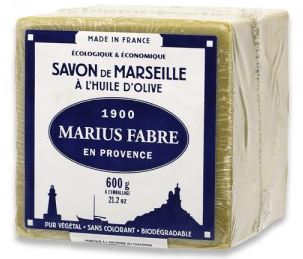 I started this about 8 months ago, excited for a cheaper solution that also meant I didn't have to lug heavy things from the grocery store on a regular basis. The added benefit of reducing the amount of detergents we use, saving plastic, ... all good too!!
I just did the math today to figure out how cheap it is.
I bought a natural, pure, olive oil soap. I spent 222kč (120kč + shipping; I actually spent less b/c I split shipping with my sister, but I'm rounding up) on 600g. I grate the soap and dissolve 12T of it into water to make a batch of soap. This is 35g, so I can make 17 jugs of laundry from one block.
The dissolved soap gets poured into a 1.5L container, and filled with water. I use 150mL of liquid (slightly more than a 1/2 cup) per load, so I get 10 loads of laundry from a jug.
This boils down to the price of 1.3kč per load. (This is a touch less than 7 US Cents a load, in my front loading washer.)
And Now, The Comparison
If you buy the cheapest Tesco laundry powder, it comes to 2kč a load, so this is pretty comparable But if you do what we did, and bought the expensive, pretty-smelling nice liquid detergent, it costs between 7-10kč per load.
If you do about 4 loads a week like us, this is 208 loads per year, costing 270kč ($14) using our homemade laundry soap. If you go for the nice stuff at, let's just say 8kč/load, the year's laundry will cost you 1664kč. What shall we do with our extra 1394kč? Hmmm....=)
By the way, this even beats the method linked here: a years worth of laundry detergent for $30, but of course I'm not sure exactly how many loads they are counting.
It seems like this third method with borax, washing soda, and dawn might even be cheaper than mine, at about $0.17 a gallon, which makes 32 loads. That's US prices so I am not sure how it would compare here, though I did just learn you can buy borax here in Prague. But I really like how mine is only 1 ingredient. Easy.
Sunday, December 02, 2012
go no 'poo
It's rather amusing to say this. Also amusing to tell someone I haven't shampooed my hair since May. But it's true (with the exception of a hair dresser when I was getting a hair cut ... my Czech just isn't up to explaining that one yet.;)
I use a baking soda routine on my hair, and I love it. First, Why?
And now, How?
I followed the routine on this blog post and this follow-up blog post, which is even more convincing since she shares that she's been 'poo free for months, and still likes it. She also answers a bunch of FAQs. Read that if you're interest, but here are a few more pointers I think you oughta have to help you be successful:
I use a baking soda routine on my hair, and I love it. First, Why?
- It's a "created need" of our consumerist society. That alone makes me want to 'stick it to the man' and quit using shampoo. TV ads started to convince us that if we shampooed with their products daily, we would look beautiful. Women went from washing their hair once a month to daily over the course of the 20th Century. See this NPR article.
- Buying shampoo means you are using more plastic, and contributing generally to production and distribution of something that you don't need. (Since shampoo is full of chemicals, I can't imagine that its production is particularly healthy.)
- Shampoo costs money. I haven't actually done the math yet for how much I spend on my baking soda treatment though. I oughta verify this.
- Shampoo is full of chemicals...perhaps chemicals we don't want seeping into our bodies.
- Shampoo strips your hair of healthy oils that are meant to keep it soft and strong. So then you have to add other products to your hair to make it shiny, strong, voluminous...all a ploy to get you to spend your money. Blech.
- There's several articles about how shampooing less is good for you. It's wearing on your hair. I just personally decided to go all the way and quit entirely.
And now, How?
I followed the routine on this blog post and this follow-up blog post, which is even more convincing since she shares that she's been 'poo free for months, and still likes it. She also answers a bunch of FAQs. Read that if you're interest, but here are a few more pointers I think you oughta have to help you be successful:
- My hair is short, very straight, fine, and tending toward oily. Perhaps these details will help others like me. But I think we're all so different, so our methods will be a different as the number of shampoo products out there.
- I use the recipe of 1T baking soda in 1 cup water. Same ratio for the apple cider vinegar conditioner. I use an old shampoo bottle, and I when it's time for a new batch I put the baking soda in it, and then add the water when I'm in the shower. That way I have 1 day with warm water on my head ;) The other days it's kinda cold pouring water over your head, but I got used to it.
- You have to use a lot of the solution -- much more than you would if you were applying shampoo. Go more liberal than you think you need. You might have to do that whole "rinse, repeat" business.
- I get my hair wet, and then pour the b.soda solution over my head until I feel it running down my scalp. Then I massage with the tips of my fingers, scrubbing it into the scalp. This part is key - getting it into the scalp, because this is where the nasty "hair" smell comes from, and where the oil is hanging out. Then I let it sit while I wash my face. Then I rub again, and if it doesn't feel like my hair is getting "unknotty" I had more solution and let it sit while I wash the rest of me. Then I rub again and finally rinse it out. Just make sure you feel like you can use a lot at the beginning, because you'll need a lot to cut through the oil that your head is vigorously producing at the beginning. Lots of solution, lots of waiting, lots of scrubbing.
- The key for me at the beginning was LOTS. After about 1 week of this, my hair was getting so greasy, just worse and worse, and I thought I was going to have to quit, and then I determined I wouldn't and one day I just kept pouring the stuff on, waiting, and scrubbing it until it felt better. That was the turning point for me.
- Usually, but not always, I do the vinegar routine. I pour the solution over my head and flatten it out with my fingers. (I have short hair, so this is the only way to get it to the ends of my hair; if your hair is longer, you only need it on the ends of your hair.) I often comb my hair then to help get the vinegar all over. Vinegar helps your hair shine and it detangles. It smells when it's wet, but by the time your hair is dry you definitely can't smell it anymore.
- It takes time for your hair to get used to this. Your scalp is used to producing all these oils that shampoo used to strip away. After a while, it will realize that it doesn't need so much oil. Mine took 2 weeks at least before I left like I was seeing the light at the end of the tunnel. But push through: it feels like a long time in the midst of it, but it is worth it.
- While I was getting use to this, I had to do it every day. This lasted at least a month, maybe 2. Finally my hair calmed down, and by the summer time I could even go 3 days between washing.
Tuesday, October 02, 2012
homemade deoderant
I remember my mom telling me a long time ago that antiperspirant isn't so good for you. Sweating is natural: don't stop it. Deodorant is good: it's nice not to smell bad.
But somehow I learned only very recently that antiperspirant which contains aluminum is bad for us. According to this website (which is old - 2008) the results aren't conclusive, but the ingredient aluminum, which blocks your sweat glands is probably bad for us. It is not proven, but linked to cancer.
I learned this one night a few weeks ago from my little sister. I had antiperspirant in the bathroom (I normally wouldn't buy it, but I had a free sample, or someone gave it to me.) and I promptly threw it out (against her good judgement - her words: "good idea. except it's good to have something to replace it with."). So I needed an immediate solution, and found one online I've been using happily for the last month or so. I used this blog, which I love, to look for a recipe (but we learned that no, it doesn't eliminate the yellow armpit stains).
The recipe is equal parts (I use 1 Tbs each) of coconut oil (warm in microwave) + baking soda + corn starch. The coconut oil is just a conduit for the active ingredient: baking soda, which eliminates odors. The corn starch probably helps absorb moisture. You can add an essential oil if you like.
I made it in a little baby food jar, and I scoop it out. Not my favorite activity, but I'm still happy with my homemade deodorant. So, I'm buying a case of 10 empty deodorant sticks here. It's nearly $1/each this way. If you want one, let me know!
My daughter is one today.


Monday, October 01, 2012
kill the jet dry
Today's tip is going to be quick, coz it's bedtime.
I stopped using jet-dry several months ago. I learned that white vinegar works just as well!
Just pour the vinegar in the rinse aid spot. Vinegar helps the dishes to shine just as well, for a fraction of the cost with no weird chemicals.
I stopped using jet-dry several months ago. I learned that white vinegar works just as well!
Just pour the vinegar in the rinse aid spot. Vinegar helps the dishes to shine just as well, for a fraction of the cost with no weird chemicals.
Saturday, September 29, 2012
quiche
Another quick and easy meal is quiche. (It's especially quick if you already have a pie crust in the freezer). We make one pie to split. I like how I can have different veggies on my side than Garrett (who wouldn't prefer veggies at all actually), though he does complain when a mushroom swims into his half.
Quiche
Roll out the pie crust and put it into a pie or cake pan. (don't prebake)
Prepare the filling ingredients and layer them in the crust. You can use anything you like. You can leave the meat out. You can change the vegetables. Don't leave out the cheese. It is good to have a balance between salty things like meat or cheese and vegetables.
Ideas for fillings: 1 medium onion, chopped and sautéed
Ideas for fillings: 1 medium onion, chopped and sautéed
100 g bacon, chopped and sautéed
100 g sliced mushrooms
100 g ham
200 - 300 g of cheese (eidam, cheddar...whatever)
1 pkg of frozen spinach, cooked and drained
other cooked veggies (broccoli, cauliflower, asparagus, etc).
20 – 30 g cream cheese, cut into small pieces – put this on the very top
Mix all of the following till smooth and pour over the top of the quiche.
4 large or 5 small eggs
1 cup of whipping cream or evaporated milk
1/2 cup of milk
1/2 teaspoon basil
1/2 teaspoon salt
2 teaspoons prepared mustard
Bake at 200 C (375F) for about 45 minutes, until the crust is light brown and the egg mixture is firm.
Subscribe to:
Posts (Atom)